A Strategy For Canker Sore Prevention - Causes And Triggers
SUMMARY:
Research has discovered some of the "causes" of canker sores. A leading Dentist recommends canker sore prevention strategies and treatment options.
FULL TEXT:
Canker sores may be small, but they cause big, painful problems. Knowing the causes may help to develop a canker sore prevention strategy. Technically, canker sores are called aphthous ulcers. They appear as shallow, painful sores on the inside of the lips, the inside of the cheeks, or on the gums. They begin as small, reddish swellings. Then they burst, and the ruptured sores are covered with a white or yellow membrane. Untreated, a canker sore can last up to three weeks.
According to Dr. Ethan Schuman, a St. Louis dentist whose specializes in advanced dental technologies, "There is no one thing that causes a canker sore. But there are events or chemicals that are likely to cause them and if the patient can associate the outbreak with the trigger, then he/she may possibly avoid getting the sores."
Dr. Schuman suggests that watching for key triggers such as toothpaste type, mouth injuries, and nutritional deficiencies can make the difference.
Here's what to look for.
Toothpastes and mouthwashes that contain SLS:
Toothpastes with sodium lauryl sulfate ("SLS"), a foaming agent in toothpastes and mouthwashes, may increase the recurrence rate of canker sores. SLS dries oral tissues, making them vulnerable to irritants.
Several studies show that participants who brush with SLS-free toothpaste reduce the frequency of canker sore recurrence, in one study by as much as 81%. In this same study some of the participants reported that using SLS-free toothpaste also reduced canker sore severity. There are SLS free products available.
Injury:
Injury, often from a self-inflicted bite or irritation caused by braces can cause canker sores. 38% of the participants of one study felt that their canker sores were precipitated by trauma.
Stress:
Many people report that the ulcers coincide with periods of stress.
Nutritional deficiencies:
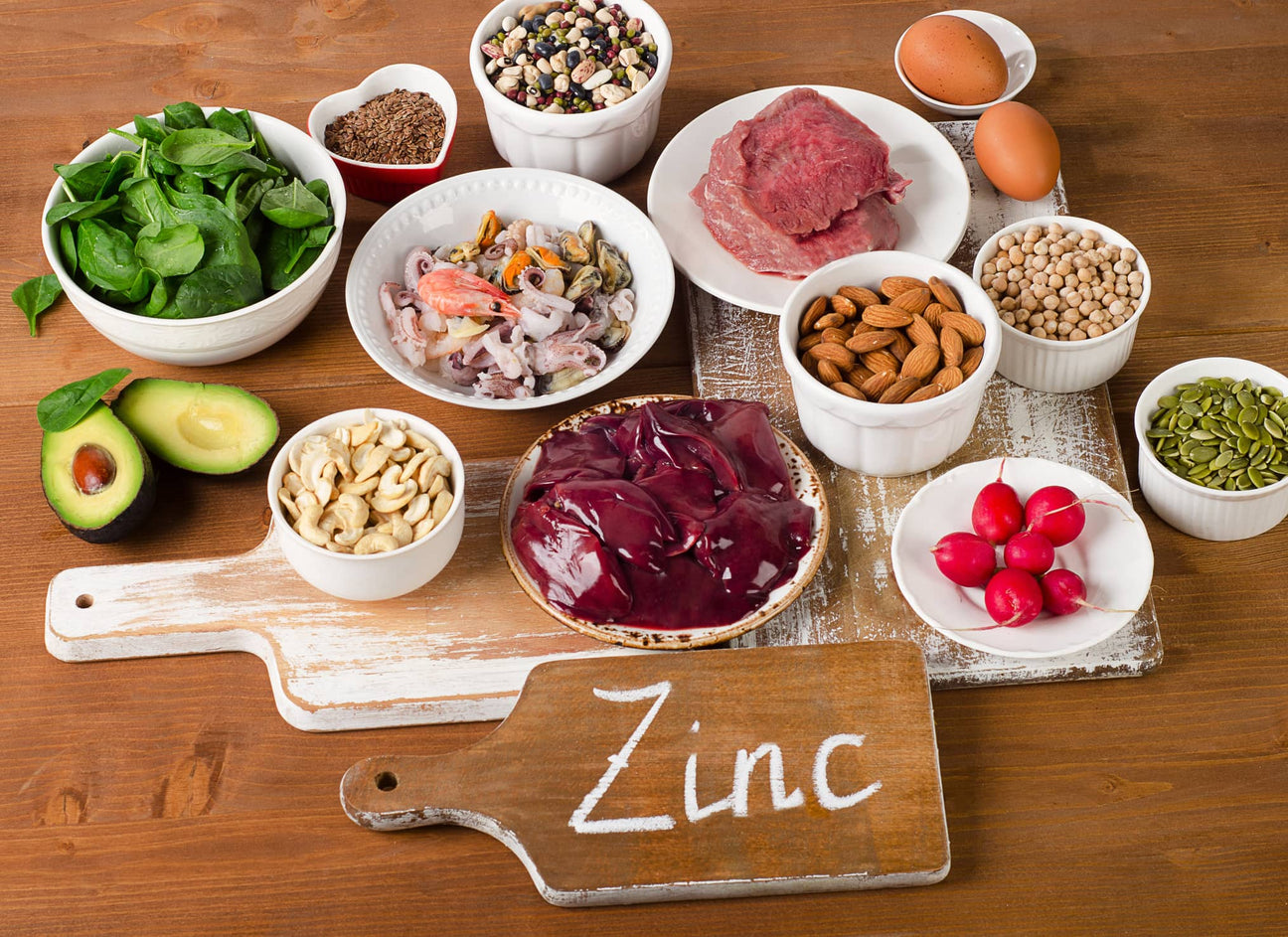
Some of the nutritional deficiencies correlated with the presence of canker sores are B vitamins, zinc, folic acid and selenium.
Allergies:
Since canker sores are caused by our bodies' immune response, it makes sense that they can be triggered by food allergies. Any substance that contacts the oral tissues may lead to an overzealous immune response.
Certain Drugs:
Nonsteroidal anti-inflammatory drugs (NSAIDs), beta blockers, and chemotherapy may increase the frequency of canker sores
Genetics:
One study found that 35% of those persons who get canker sores have at least one parent who suffers from them.
Canker Sore Prevention
If a canker sore appears shortly after a trigger' event, then there may be a relationship. Recurrent canker sores may be the result of nutritional deficiencies. A patient who has regular problems with canker sores should have blood tests to determine possible vitamin deficiencies, and to determine potential problems with allergies. It may be helpful to keep a "food diary" to determine potential allergies or food irritants.
Other canker sore prevention tactics include:
- Avoid SLS toothpastes and mouthwashes.
- Include yogurt and other cultured, soured dairy products in your diet.
- Avoid tobacco, chewing gum, and lozenges.
- Avoid citrus fruits.
- Eat salads and raw onions.
- Do not take iron supplements unless prescribed by a doctor.
Share
Your share can inspire countless others.