Non-DEET Insect Repellent Safe for Children - Quantum Health
What's Best For Your Family?
- Rated # 1 Plant-Based Insect Repellent In Independent Tests By
- Good Housekeeping Institute Report
- The National Parenting Center
- University of Guelph
Kids love outdoor adventures and having a great summer is what it's all about. Camping, hiking, picnicking, canoeing, water-skiing or horseback riding through the woods, kids just want to have a great time.
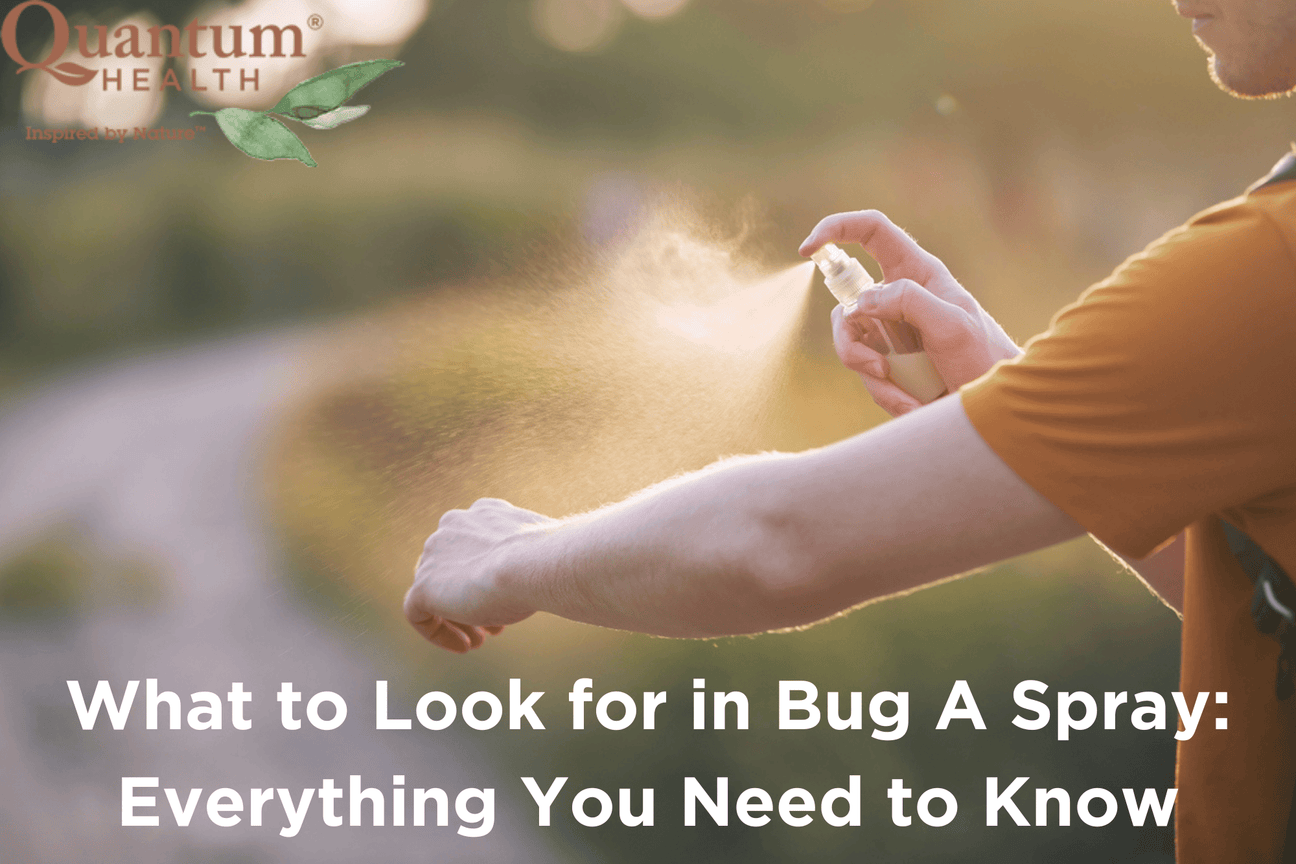
Fortunately, it's never been easier for families to enjoy an outdoor adventure and still have protection from mosquitoes, biting flies, fleas, and ticks.
David Shaw, Founder of Quantum Health, was resolute in his intention to formulate a product that safely protects kids from both insects and DEET. He explains," Why? Because DEET is a pesticide and has been associated with a variety of health problems ranging from dizziness to seizures, and children are especially susceptible. I feel good about protecting my family with Buzz Away."
There's a range of plant-based insect repellents, but Buzz Away stands out from the crowd, winning high marks for excellent performance from Good Housekeeping Institute, The National Parenting Center, and University of Guelph. First sold in 1994, Buzz Away is now proven to be one of America's leading brands of natural insect repellents.
These studies are the first time credible independent organizations have tested the effectiveness of the leading brands of plant-based insect repellents against one another.
- Buzz Away awarded the National Parenting Center Seal of Approval.
- Independent testing by the Good Housekeeping Institute and Canada's University of Guelph ( product testing for the government) prove Buzz Away is more effective.
Buzz Away is more effective than other leading plant-based repellents including:
- Avon Skin So Soft Bug Guard
- Avon Bug Guard Moisturizing Sun Block Spray
- Natrapel
- Jungle Juice
- equaled effectiveness of OFF! Skintastic (DEET-based repellents)
The Good Housekeeping Institute rates Buzz Away as the most effective plant-based insect repellent. The 1997 August issue of Good Housekeeping Magazine article "Rating Natural Insect Repellents" reported: "The Institute's Chemistry Department concluded that...of the products tested, Buzz Away was the most effective."
The National Parenting Center (TNPC) awarded Buzz Away with the National Parenting Seal of Approval in 1997, 1998 and again in 1999 after being tested for effectiveness by numerous families in five US cities. For children the most favored method of using Buzz Away was the moist towelettes, which were easy and quick to apply and gave a good dose of repellent. The DEET-free application was also appreciated since it didn't harm clothes, plastic, and rubber.
The University of Guelph in Ontario, Canada, a leading university in Canada for government based research, also proved that Quantum Health's Buzz Away Insect Repellent works better than other plant-based repellents. In an independent scientific study at Guelph, head researcher James Heal (Department of Environmental Biology) concludes that "Buzz Away is one of the best non-DEET based products we have tested."
Now it's easier than ever to get the protection you want "when" and "how" you want it with the complete line of Buzz Away's convenient and easy-to-use-products. After all, it smells great, it works, and more importantly, it's DEET-free.
Buzz Away is formulated with Citronella, Cedarwood, Eucalyptus, Lemongrass and Peppermint - plant extracts which repel bugs. Registered by the Environmental Protection Agency (EPA), Buzz Away Spray is now rated the most effective DEET-free insect repellent available.
Touching up has never been easier than with Buzz Away Towelettes, a plant-based bug repellent in handy towelettes.
Share
Your share can inspire countless others.